Furniture Rentals

Top 10 Trends in Event Furniture for 2026

June 18, 2026 By Event Fab Team 9 min read

Furniture is the part of an event guests actually touch. It decides where they sit, how long they linger, and whether a lounge photographs well enough to end up on someone’s feed. Heading into 2026, the brand and agency teams we build for are treating furniture less like a rental line item and more like a storytelling surface — and the trends below reflect that shift.

This is a working read, not a mood board. For each trend you’ll get the production reality behind it: what it costs to pull off, what the lead time looks like across the Northeast, and what actually breaks the timeline when you wait too long to lock furniture in.
Key Takeaways

  • Modular, reconfigurable pieces win in 2026 because one inventory set can serve a daytime panel and a nighttime reception without a second delivery.
  • Material honesty — real wood, stone, powder-coated steel, boucle — is replacing high-gloss plastic across corporate and luxury builds alike.
  • Earthy, saturated palettes (terracotta, olive, oxblood, deep teal) are displacing all-white lounges, and they hide wear far better over a multi-day activation.
  • Sustainability is now a procurement requirement, not a nice-to-have: rental-first sourcing and reupholstered inventory show up in RFPs.
  • Lock furniture 4 to 6 weeks out for custom or LED pieces; standard lounge inventory in NY/CT/MA/RI books solid 2 to 3 weeks ahead in peak season.

1. Modularity is the headline trend

The single biggest move for 2026 is furniture that reconfigures. Ottomans that lock together into a banquette, low tables that nest, modular sofas that break into armless units — one set of pieces now has to flex across a full event day. A morning of keynote seating becomes an afternoon of breakout pods becomes an evening lounge, all without a second truck rolling up.

The production payoff is real. Fewer SKUs, fewer deliveries, and a load-in that a smaller crew can reset between segments. When you’re building in a tight Manhattan venue with a 90-minute changeover window, modular inventory is the difference between hitting your doors-open time and paying overtime.

Our full event furniture rental inventory is increasingly weighted toward these reconfigurable systems for exactly this reason.

2. Material honesty over high gloss

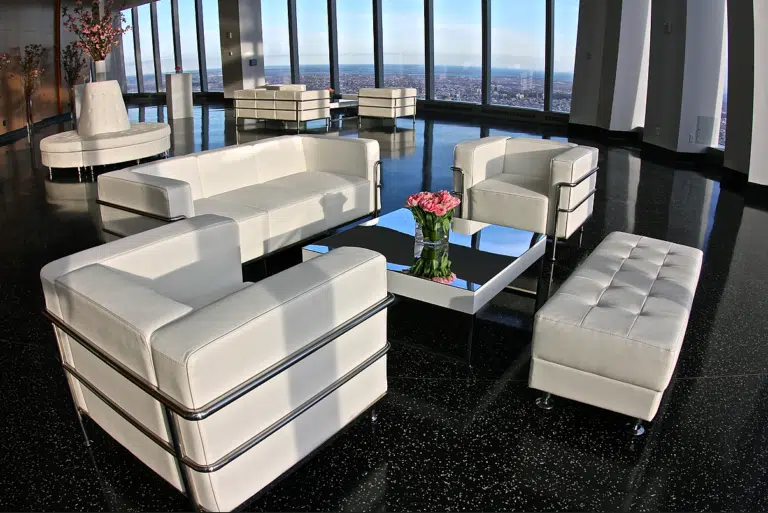
The glossy white acrylic look that defined the last decade is fading. In its place: materials that read as real. Solid and reclaimed wood, honed stone and concrete-look tops, powder-coated steel frames, and tactile upholstery like boucle, chenille, and heavy linen weaves.

There’s a practical reason beyond taste. Matte and textured finishes hide fingerprints, scuffs, and the inevitable wine ring across a long event. For multi-day conferences and brand houses that run Thursday through Sunday, durable materials mean the lounge still looks intentional on day three.

  • Wood and rattan: warm, photographs well, forgiving under stage lighting.
  • Stone and terrazzo tops: premium weight and presence, but factor the labor — these are heavy load-ins.
  • Performance textiles: the quiet hero, since they survive high-traffic activations without looking tired.

3. Earthy, saturated palettes

All-white lounges aren’t disappearing, but they’re no longer the default. 2026 palettes lean warm and grounded: terracotta, ochre, olive, oxblood, deep teal, and chocolate brown, often layered against cream and natural wood so the color reads rich rather than heavy.

For brand teams, color is the cheapest way to make a space feel custom without custom fabrication. Swapping a standard charcoal sofa for an oxblood one and adding two olive accent chairs can carry an entire brand world. And like matte materials, mid-tone and saturated upholstery hides wear far better than white across a packed activation.

4. LED and illuminated furniture grows up

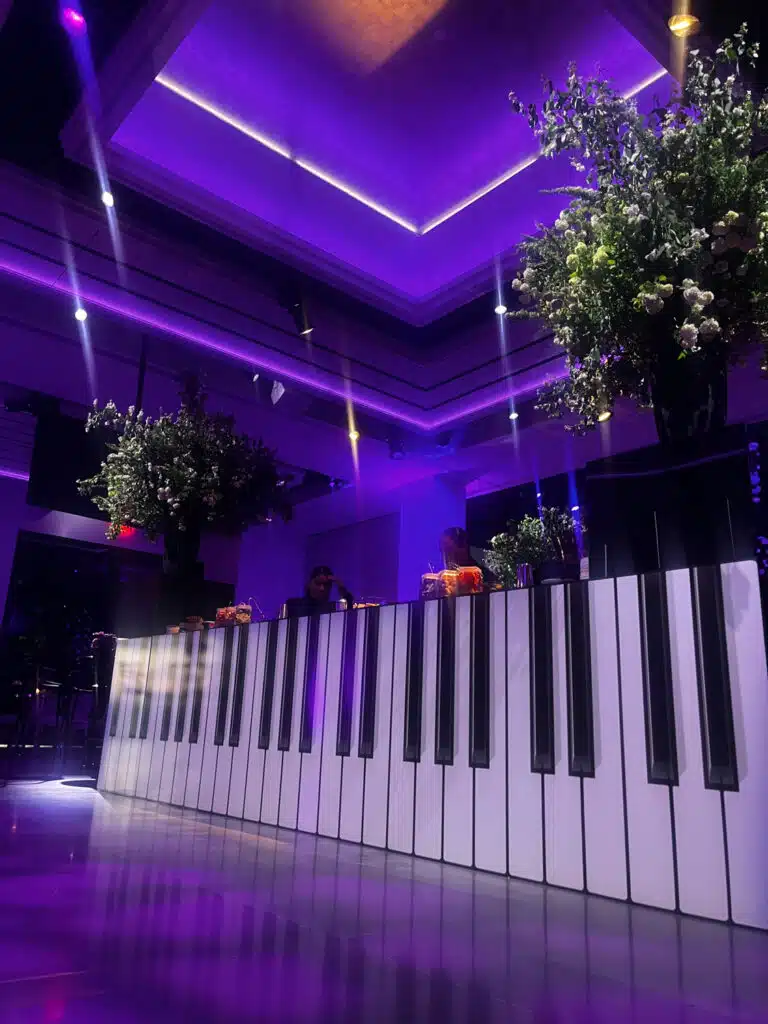
Glowing furniture used to mean a cooler-than-it-needed-to-be nightclub cube. In 2026 it’s more refined: color-tunable bars, illuminated cocktail tables, and lounge pieces with subtle integrated lighting that shift with the program — warm and low for a reception, branded color for a reveal moment.

The production caveat is power and placement. Illuminated pieces need clean power runs and a plan for cable management, especially outdoors or in raw venues. Our LED furniture rentals across NYC, CT, MA and RI are spec’d with rechargeable and hardwired options so the look survives a six-hour event without a dead battery mid-program. Budget 4 to 6 weeks of lead time when LED is core to the design, since color programming and testing aren’t same-week tasks.

5. Mirror and reflective accents

Reflective surfaces are having a moment — mirrored bar fronts, antique-glass table tops, and polished metal accents that bounce light and make a footprint feel larger than it is. In a windowless ballroom or a compact rooftop, that visual expansion is worth real money.

Used well, mirror reads luxe and editorial. Used carelessly, it shows every smudge and every poorly placed cable in the reflection. The craft is in styling the sightlines. Our mirror furniture rentals for the Northeast pair best with controlled lighting and a crew that dresses the reflection, not just the piece.

6. Sustainability moves from pitch to procurement

The sustainability conversation has changed. It used to live in the values slide of a pitch deck. Now it shows up as a line in the RFP. Brand and procurement teams are asking where furniture comes from, whether it’s reused, and what happens to it after the event.

Rental is the answer to most of that. A rental-first model is inherently circular — the same inventory serves dozens of events instead of being built, used once, and landfilled. The teams getting this right are:

  1. Choosing rental over custom build wherever the design allows.
  2. Specifying reupholstered and refurbished inventory instead of net-new.
  3. Consolidating deliveries to cut truck trips across the NY metro and New England.

We cover the broader case for this in our breakdown of the top benefits of event furniture rentals.

7. Comfort-first lounges and longer dwell time

Events are being measured on dwell time, and furniture is the lever. Deep seats, real cushions, and human-scaled lounge groupings keep guests in a space longer — which is exactly what a brand wants when the goal is conversation, demos, or content capture, not a quick pass-through.

The trend pushing hardest here is the residential look: furniture that feels like a beautifully designed living room rather than a trade-show stand. Layered rugs, side tables, lamps, and bookshelf styling turn a booth into a place people actually want to sit. It’s a small spend that meaningfully changes how long the activation holds a crowd.

The best furniture decision a brand team makes is rarely the flashiest piece — it's locking the inventory early enough that the design survives contact with the load-in.

Event Fab Team

Serving NY, CT, MA & RI

We deliver and install event furniture across New York, Connecticut, Massachusetts, and Rhode Island — from rooftop activations in Manhattan and Brooklyn to corporate campuses in Stamford, conference builds in Boston, and waterfront events in Newport. Tight venues, freight elevators, and union load-in rules are part of how we plan, not surprises we discover on site.

Planning a 2026 event? Lock your furniture early.

Tell us the date, the venue, and the look you're after, and we'll build a furniture plan that fits the room, the budget, and the timeline. Custom and LED pieces book fastest, so the earlier we start, the more the design stays intact.
Request a Quote

Event Furniture Trends 2026 — Frequently Asked Questions

The questions brand and agency teams ask us most often when they're spec'ing furniture for a 2026 event.

For standard lounge inventory, 2 to 3 weeks is workable outside of peak season, but in the spring and fall rush across the Northeast that same inventory books solid earlier. For custom, LED, or mirror pieces, plan 4 to 6 weeks so there’s room for fabrication, finishing, and testing. The most common timeline breaker is locking the venue and the program but leaving furniture as an afterthought.

In almost every case, yes. Rental inventory is reused across dozens of events rather than built once and discarded, which is the core of a circular model. If sustainability is in your RFP, ask for reupholstered or refurbished pieces and consolidated deliveries — both meaningfully cut the footprint without compromising the look.

Color. Swapping default neutrals for a saturated palette — oxblood, olive, deep teal — makes a lounge feel custom without paying for custom fabrication. After that, comfort-first residential styling (rugs, lamps, side tables) delivers the most dwell time per dollar.

They do. Illuminated pieces need a power plan — either rechargeable units sized for your event length or hardwired runs with proper cable management. Outdoors and in raw venues this matters most. We spec both options and test color programming before show day so nothing dies mid-program.

That’s the entire point of the 2026 modular trend. Pieces that lock, nest, and break apart let one inventory set serve a daytime panel and a nighttime reception with a crew reset instead of a second delivery. In tight venues with short changeover windows, it’s often what keeps you on schedule.

Yes — we cover New York, Connecticut, Massachusetts, and Rhode Island, including delivery, install, and strike. Venue logistics like freight elevators and union load-in rules are built into our planning. Request a quote with your date and venue and we’ll scope it.

Contact Us

Tell Us About Your Project Or Event

Which of our services are you interested in?*
Preferred Contact Method*